


Advantages of 48 Volt Lithium Ion Batteries

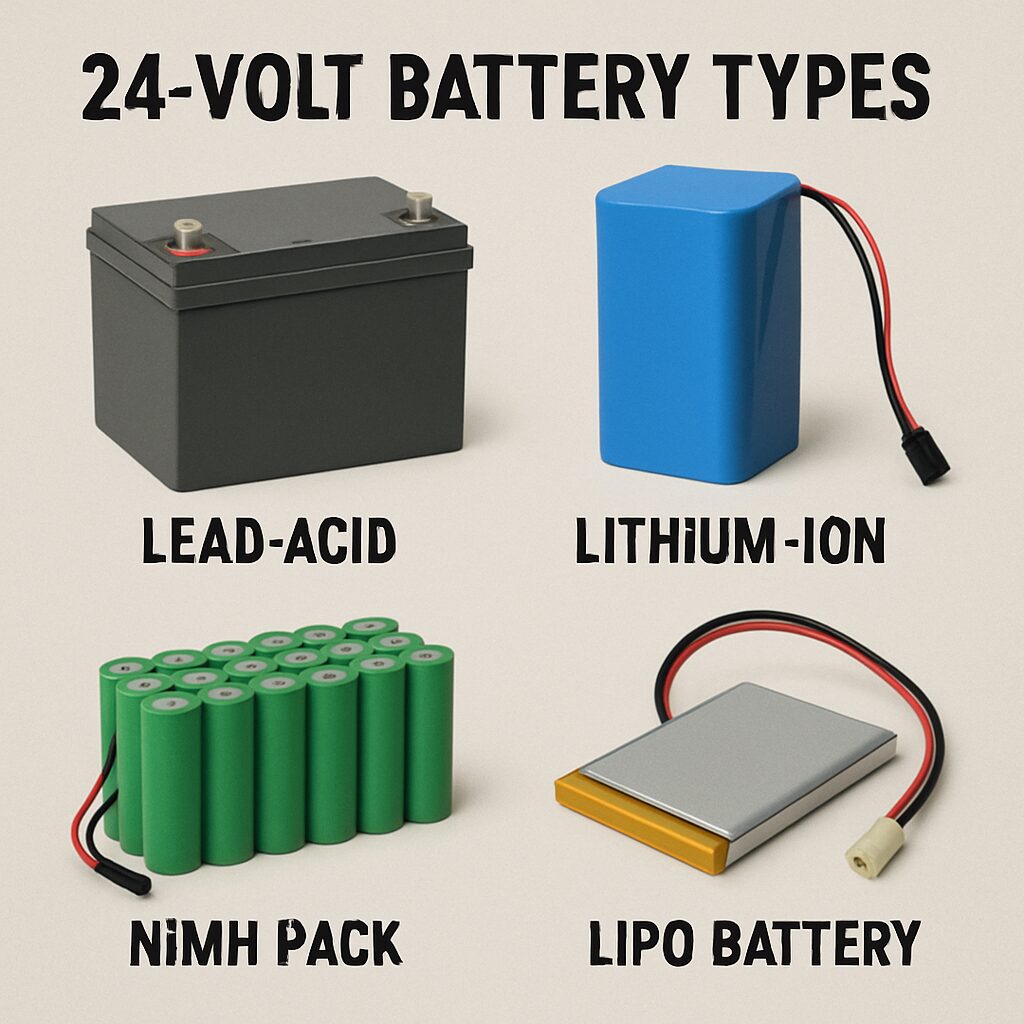
Advantages of 48 Volt Lithium Ion Batteries
When it comes to powering modern technology, lithium-ion batteries stand out as a revolutionary advancement. From electric vehicles to renewable energy systems, their application is vast and varied. Among the many configurations available, the 48-volt lithium-ion battery is gaining remarkable attention. Let’s delve into the benefits and applications of these powerful energy sources.

Lithium-ion batteries offer numerous advantages over traditional battery types. Their high energy density, longer lifespan, and efficiency make them a preferred choice for various applications. But why exactly should you consider a lithium-ion battery, particularly the 48-volt option?
Energy Efficiency and High Capacity
One of the standout features of lithium-ion batteries is their energy efficiency. A 48-volt lithium battery provides a higher capacity and can store more energy compared to its lead-acid counterparts. This means longer usage times and fewer interruptions, which is crucial for applications like electric vehicles and backup power systems.
Lightweight and Compact Design
Lithium-ion batteries are lighter and more compact, offering a significant advantage for portable applications. Whether it’s an electric golf cart or a solar power storage system, a 48-volt lithium battery can reduce weight and space, enhancing the design and functionality of the equipment.
Applications of 48 Volt Lithium-Ion Batteries

The versatility of 48-volt lithium-ion batteries makes them suitable for a wide range of applications:
Electric Vehicles
Electric vehicles (EVs) are at the forefront of the transition to sustainable energy. The 48-volt lithium-ion battery is a popular choice for EVs due to its ability to deliver high power output and range. This battery type supports quick charging, making it convenient for everyday use.
Renewable Energy Storage
For solar and wind energy systems, storing energy efficiently is essential. Lithium-ion technology, with its high energy density, allows for effective energy storage, ensuring that power is available even when the sun isn’t shining or the wind isn’t blowing.
Industrial and Commercial Uses
In industrial settings, 48-volt lithium batteries are used to power machinery, forklifts, and backup power systems. Their reliability and efficiency help maintain operations and reduce downtime, which is critical in high-demand environments.
Understanding the Cost and Investment

Newest in the store


by Mika Baumeister (https://unsplash.com/@kommumikation)
Initial Investment
The initial cost of a 48-volt lithium-ion battery can be higher than traditional batteries. However, considering their longevity and performance, they often prove to be a cost-effective investment over time. Their reduced maintenance needs and longer lifespan can lead to significant savings.
48 Volt Battery Price in Pakistan
In regions like Pakistan, the price of a 48-volt lithium-ion battery can vary based on the brand, capacity, and technology used. It’s important to compare options and consider both the upfront cost and long-term benefits when making a purchase decision.
Maintenance and Longevity
Lithium-ion batteries require less maintenance compared to other battery types. They are resistant to issues like sulfation, which commonly affect lead-acid batteries. Their ability to withstand multiple charging cycles without significant degradation extends their lifespan, offering better value for money.
Safety Features
Modern 48-volt lithium-ion batteries come equipped with advanced safety features. These include protection against overcharging, overheating, and short circuits, ensuring safe operation in various environments.
The Future of 48 Volt Lithium-Ion Batteries
The demand for efficient, reliable, and sustainable energy solutions is driving the evolution of lithium-ion technology. As research continues, we can expect further enhancements in the performance and cost-effectiveness of 48-volt lithium-ion batteries.
Innovations and Developments
Ongoing innovations are focused on improving energy density, reducing charging times, and increasing the overall efficiency of lithium-ion batteries. These developments hold promise for expanding the applications and accessibility of this technology.
Conclusion
48-volt lithium-ion batteries are a powerful solution for modern energy needs, offering efficiency, reliability, and sustainability. Their applications range from powering electric vehicles to storing renewable energy, highlighting their versatility. While the initial investment might be higher, their long-term benefits make them a wise choice for both personal and commercial use. As technology advances, the potential for 48-volt lithium-ion batteries will only continue to grow, paving the way for a cleaner and more energy-efficient future.
By understanding the advantages and applications of 48-volt lithium-ion batteries, you can make informed decisions about their use in your projects and daily life. With ongoing innovations, these batteries are set to become even more integral to the world of energy storage and usage.