


Applications of Fixed Resistor in Circuits

Applications of Fixed Resistor in Circuits
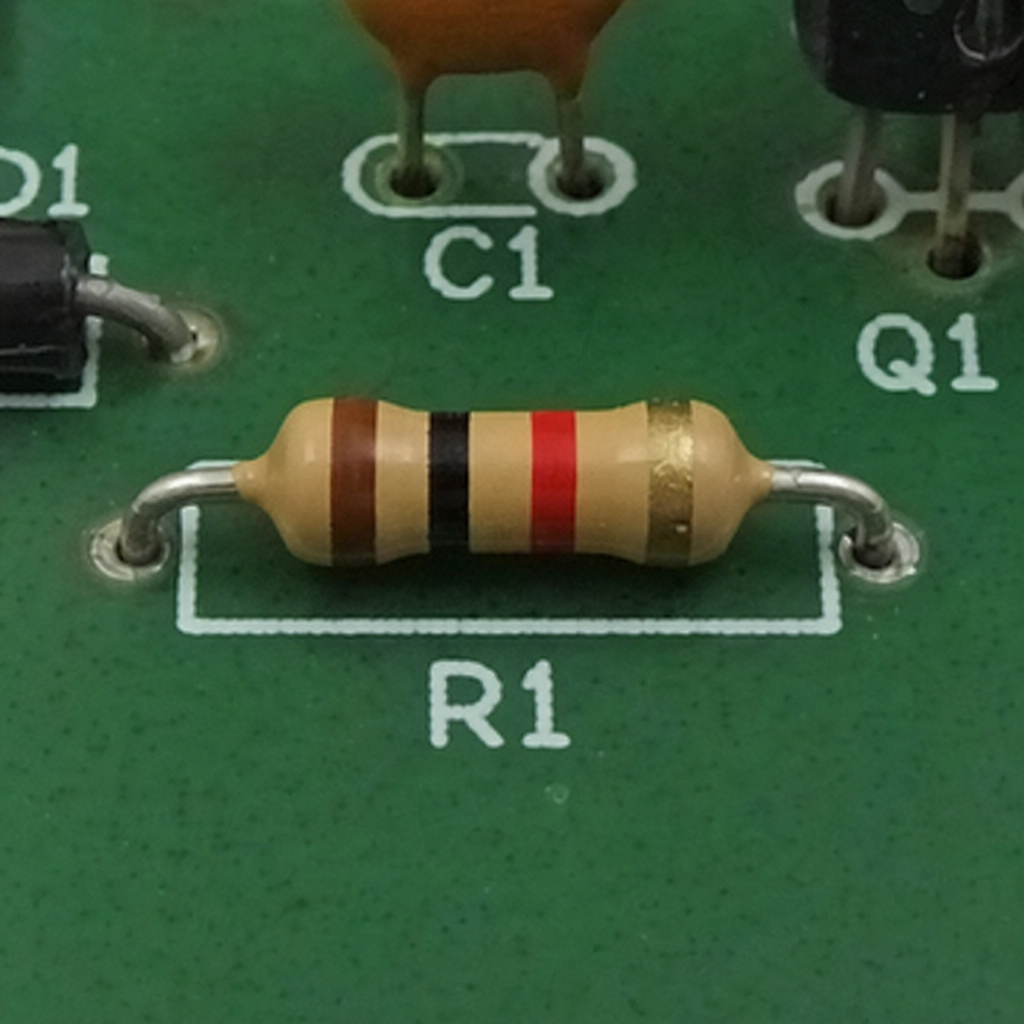
A fixed resistor is one of the most common and dependable components in electronics. It provides a set amount of resistance in a circuit, helping control current, divide voltage, protect parts, and set operating conditions. Whether you are reading a schematic, choosing parts for a prototype, or troubleshooting a fixed resistor circuit, understanding how this simple component works makes circuit design much clearer.
What is the fixed resistor definition?
The fixed resistor definition is straightforward: a fixed resistor is a passive electrical component with a resistance value that does not intentionally change during normal operation. In other words, it is a fixed value resistor designed to oppose current flow by a specified amount, measured in ohms. The definition of fixed resistor separates it from variable resistors, such as potentiometers or trimmers, which allow resistance to be adjusted.
In practical terms, the fixed resistor function is to create predictable electrical behavior. When placed in a circuit, it can limit current, drop voltage, bias a transistor, form part of a filter, or help establish timing with capacitors. Because it is stable and inexpensive, the fixed resistor appears in everything from LED indicators to power supplies, audio equipment, sensors, and control boards.

The fixed resistor symbol in circuit diagrams
The fixed resistor symbol helps engineers and technicians identify the component quickly on a schematic. In many diagrams, the symbol of a fixed resistor appears as a zigzag line, while IEC-style drawings often show it as a plain rectangle. Both represent the same basic component: a resistor with a set resistance value.
You may see people search for the fixed resistor symbol using slightly different phrases, such as symbol for fixed resistor, symbol fixed resistor, or symbol of a fixed resistor. These all refer to the schematic mark used to show where the resistor sits in the circuit. The label beside the symbol usually includes a reference designator, such as R1 or R2, and the resistance value, such as 220 Ω, 1 kΩ, or 10 kΩ.
When reading a schematic, do not rely on the symbol alone. Always check the value, tolerance, and power rating when available. A 10 Ω resistor and a 10 kΩ resistor may look identical as symbols, but they behave very differently in a real circuit.
Core fixed resistor characteristics
Fixed resistor characteristics determine whether a part is suitable for a specific application. The resistance value is the most obvious specification, but it is not the only one that matters. Good circuit design also considers how much power the resistor can safely dissipate, how accurate its resistance is, and how stable it remains with temperature.
Key characteristics include:
- Resistance value: The set opposition to current flow, expressed in ohms, kilohms, or megohms.
- Tolerance: The allowed variation from the stated value, such as a resistor being slightly above or below its marked resistance.
- Power rating: The amount of heat the resistor can handle without damage, commonly expressed in watts.
- Temperature coefficient: How much the resistance changes as temperature changes.
- Physical size and package: Through-hole and surface-mount packages suit different assembly methods and space limits.
- Noise and stability: Important in sensitive analog, audio, measurement, and communication circuits.
These details matter because a resistor that is correct on paper can still fail if it is undersized for heat, too loose in tolerance, or unstable in the working environment.
Common fixed resistor types
There are several fixed resistor types, each suited to different performance needs and budgets. Carbon film resistors are often used in general-purpose electronics where extreme precision is not required. Metal film resistors typically offer better accuracy, lower noise, and improved stability, making them useful in analog and signal circuits.
Wirewound resistors are built to handle higher power levels and are often used where heat dissipation is important. Thick-film and thin-film resistors are common in surface-mount designs, especially modern compact electronics. Fusible resistors are designed to act like resistors during normal operation but open safely under fault conditions, adding a protective function.
Choosing between these types depends on the circuit’s purpose. A simple LED indicator may only need a standard resistor, while a precision sensor circuit may benefit from a tighter-tolerance metal film or thin-film part.
Newest in the store


How are fixed resistor values chosen?
Fixed resistor values are chosen by calculating what the circuit needs, then selecting the nearest standard value with the right tolerance and power rating. Designers often use Ohm’s law, which relates voltage, current, and resistance, to determine the required resistance. After that, they verify that the resistor can safely handle the heat created by the current flowing through it.
For example, in a basic LED circuit, the resistor limits current so the LED is not damaged. In a voltage divider, two resistors create a lower voltage from a higher one. In a transistor circuit, resistors help set the correct bias so the transistor turns on, turns off, or amplifies signals properly.
A practical selection process looks like this:
- Define the circuit goal: Current limiting, voltage division, biasing, filtering, sensing, or loading.
- Calculate the needed resistance: Use the circuit requirements and basic electrical formulas.
- Select a standard value: Choose a readily available resistor close to the calculated value.
- Check tolerance: Decide whether the circuit can accept normal variation or needs precision.
- Verify power rating: Make sure the resistor can handle heat comfortably.
- Confirm package size: Match the part to the board layout and assembly method.
This process prevents common problems such as overheating, weak signals, inaccurate readings, or unreliable operation.
Fixed resistor uses in everyday circuits
Fixed resistor uses are wide-ranging because almost every electronic circuit needs some form of controlled resistance. In digital electronics, pull-up and pull-down resistors set a known logic state so input pins do not float unpredictably. In power circuits, resistors can bleed stored charge from capacitors after power is removed, improving safety and stability.
In analog circuits, fixed resistors shape gain, divide voltage, balance signals, and create filters with capacitors or inductors. In lighting circuits, they limit current through LEDs. In sensor circuits, they convert changes in current or voltage into readable signals for microcontrollers and measuring equipment.
Useful fixed resistor examples include:
- A series resistor protecting an LED from excessive current.
- A pair of resistors forming a voltage divider for a microcontroller input.
- A base resistor controlling current into a transistor.
- A feedback resistor setting amplifier gain.
- A pull-up resistor keeping a switch input stable.
- A current-sense resistor helping monitor load current.
- A discharge resistor safely draining a capacitor.
Each example shows the same basic idea: the resistor makes electrical behavior predictable.
A fixed resistor circuit is simple, but design still matters
A fixed resistor circuit may look simple, especially when it contains only a resistor and one or two other components. Still, placement and rating affect the result. A resistor placed in series limits current, while resistors placed in parallel reduce total resistance and may share current between branches.
Designers also need to consider real-world conditions. Heat can shift resistance or damage the part if the power rating is too low. Long-term reliability may require choosing a resistor with margin rather than using a part at its absolute limit. In compact electronics, surface-mount resistors save space, but smaller packages may dissipate less heat.
For troubleshooting, resistors are often checked visually and electrically. Burn marks, cracks, or discoloration can indicate overheating. A multimeter can confirm whether the resistor is close to its expected value, although nearby components may affect in-circuit measurements.
Key takeaway
The fixed resistor is simple, but it plays a major role in stable, safe, and predictable circuit operation. By understanding the fixed resistor symbol, common fixed resistor types, fixed resistor values, and essential fixed resistor characteristics, you can read schematics more confidently and choose components more intelligently. In real circuits, the right resistor is not just the correct ohm value; it is the part that fits the electrical, thermal, accuracy, and physical needs of the design.