


How Future Robots Will Transform Industries

How Future Robots Will Transform Industries

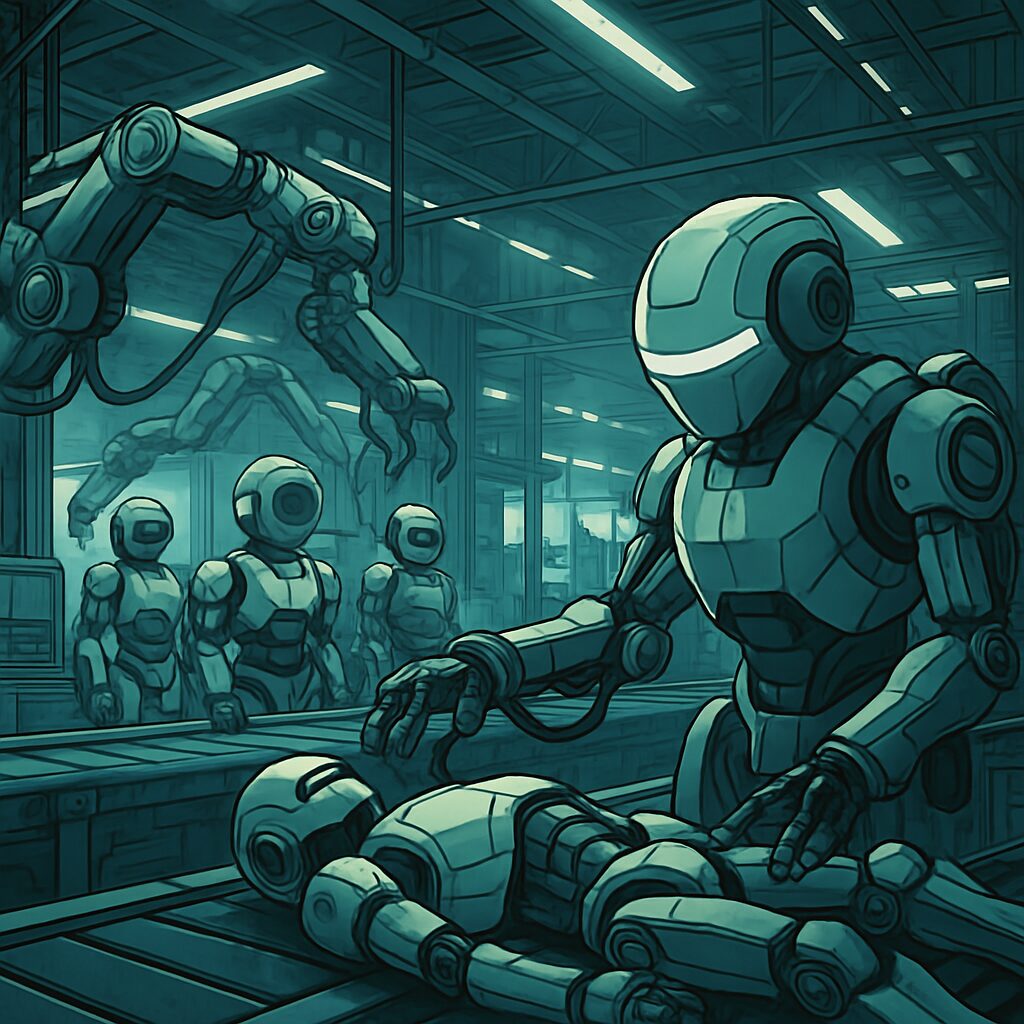
The world of robotics is rapidly evolving, and future robots are set to transform various industries in ways we’ve only imagined. With advancements in technology, the integration of robots into our daily lives and workplaces is becoming more seamless and widespread. This article explores how future robots will revolutionize industries, driving efficiency, innovation, and productivity across the board.
The Rise of Future Robotic Technology
The development of future robotic technology is driven by advancements in artificial intelligence (AI), machine learning, and sensor technology. These advancements enable robots to perform complex tasks with greater precision and autonomy. As robots become more intelligent and adaptable, their potential applications in industries such as manufacturing, healthcare, agriculture, and logistics are expanding.
Robotics Revolution in Manufacturing
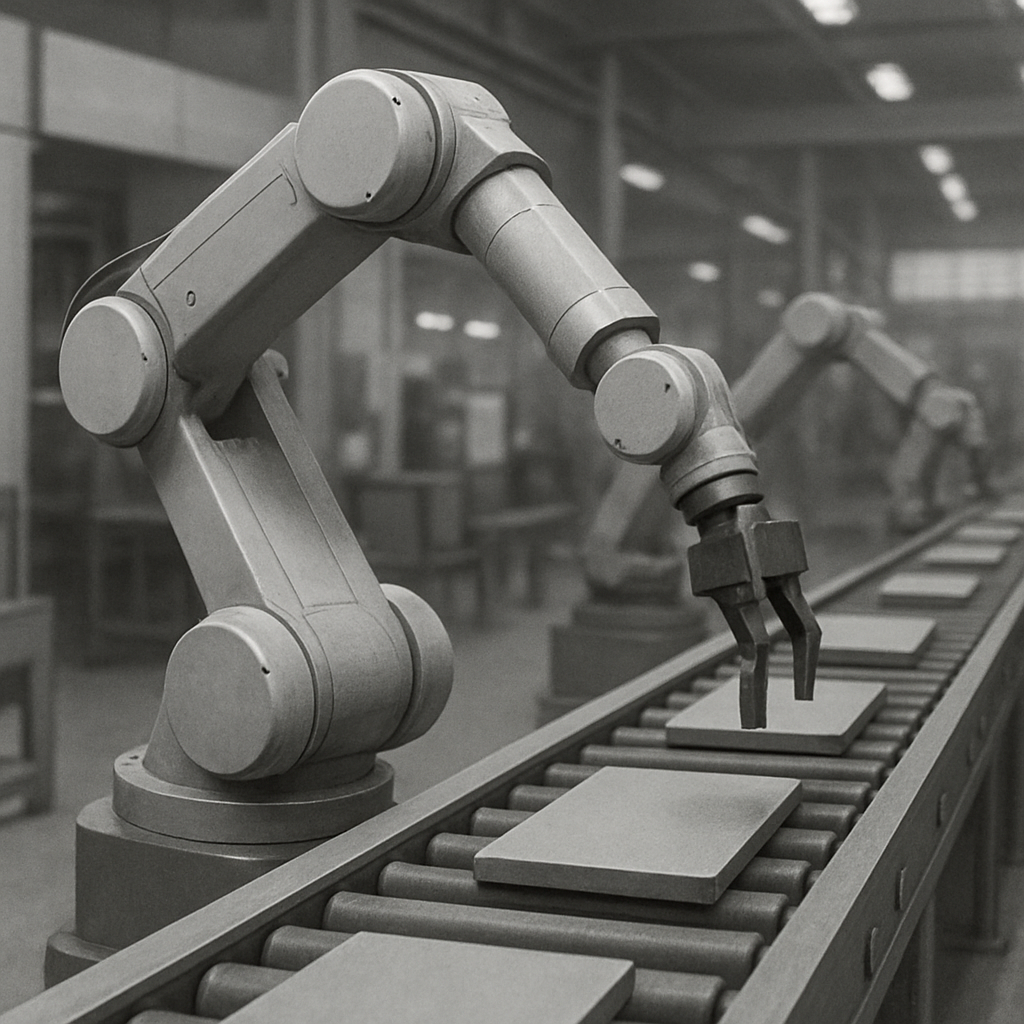
Manufacturing is one of the primary sectors experiencing a robotics revolution. Robots are increasingly used in assembly lines to perform repetitive tasks with high precision and speed, reducing the risk of human error. Future robots will be equipped with advanced AI and machine learning capabilities, allowing them to learn from their environments and improve their performance over time.
This transformation will lead to the creation of “smart factories” where robots work collaboratively with human workers, enhancing productivity and efficiency. The ability to operate 24/7 without fatigue makes robots an invaluable asset in the manufacturing industry, leading to cost savings and increased output.
Robotics Impact on Healthcare
The healthcare industry is set to benefit significantly from future robotic technology. Robots are already being used in surgeries to assist doctors with precision tasks, reducing recovery times and improving patient outcomes. In the future, robots will play an even more integral role in patient care, diagnostics, and rehabilitation.
For instance, robots can be used to monitor patients’ vital signs, administer medication, and provide physical therapy. The integration of robotics in healthcare will lead to more personalized and efficient care, transforming the way medical services are delivered.
Future Automation in Agriculture
Agriculture is another industry poised for transformation through automation trends. With the global population expected to reach 9.7 billion by 2050, the demand for food production will increase significantly. Future robots will help meet this demand by automating tasks such as planting, harvesting, and monitoring crop health.
Robots equipped with sensors and AI can analyze soil conditions, identify pests, and apply the precise amount of water and nutrients needed for optimal growth. This level of precision agriculture will lead to higher yields, reduced waste, and more sustainable farming practices.
Logistics and the Future of Automation

Newest in the store


by Leiada Krözjhen (https://unsplash.com/@leiadakrozjhen)
The logistics industry is undergoing a significant transformation with the integration of future robots. Autonomous delivery robots and drones are being developed to transport goods more efficiently and cost-effectively. These technologies will revolutionize last-mile delivery, reducing delivery times and improving customer satisfaction.
In warehouses, robots equipped with AI and machine learning capabilities can sort and move inventory with speed and accuracy. This automation reduces the need for manual labor and increases the efficiency of supply chain operations. As a result, businesses can respond more quickly to market demands and improve their overall competitiveness.
Industry Innovation Through Robotics
The integration of future robots into various industries will lead to unprecedented levels of innovation. As robots take over routine and hazardous tasks, human workers will be free to focus on more creative and strategic activities. This shift will drive innovation by encouraging new ways of thinking and problem-solving.
Challenges and Considerations
While the robotics revolution promises numerous benefits, it also presents challenges that must be addressed. One of the primary concerns is the potential displacement of human workers due to automation. Industries will need to invest in retraining and upskilling programs to ensure that workers can transition to new roles in a robot-driven economy.
Additionally, the widespread use of robots raises ethical and security concerns. Ensuring that robots operate safely and ethically will require the development of robust regulatory frameworks and industry standards. Companies must also prioritize data security to protect against potential cyber threats.
The Future of Smart Industries
The future of smart industries will be defined by the seamless integration of robotics and AI. These technologies will enable businesses to operate more efficiently, reduce costs, and innovate at an unprecedented pace. As future robots continue to evolve, industries will need to adapt to stay competitive in an increasingly automated world.
Conclusion
The robotics revolution is transforming industries across the globe, driving efficiency, innovation, and productivity. From manufacturing and healthcare to agriculture and logistics, future robots are set to revolutionize the way we live and work. While challenges remain, the potential benefits of integrating robotics into our industries are immense.
As we move towards a future where robots play an integral role in our daily lives, it is crucial for industries to embrace these technologies and prepare for the changes they will bring. By investing in future robotic technology and addressing the associated challenges, industries can harness the power of robotics to drive innovation and growth.