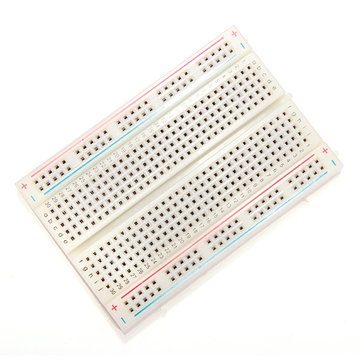
Understand breadboard connections, split power rails and the centre gap, then build a simple current-limited LED circuit with an unpowered continuity check.
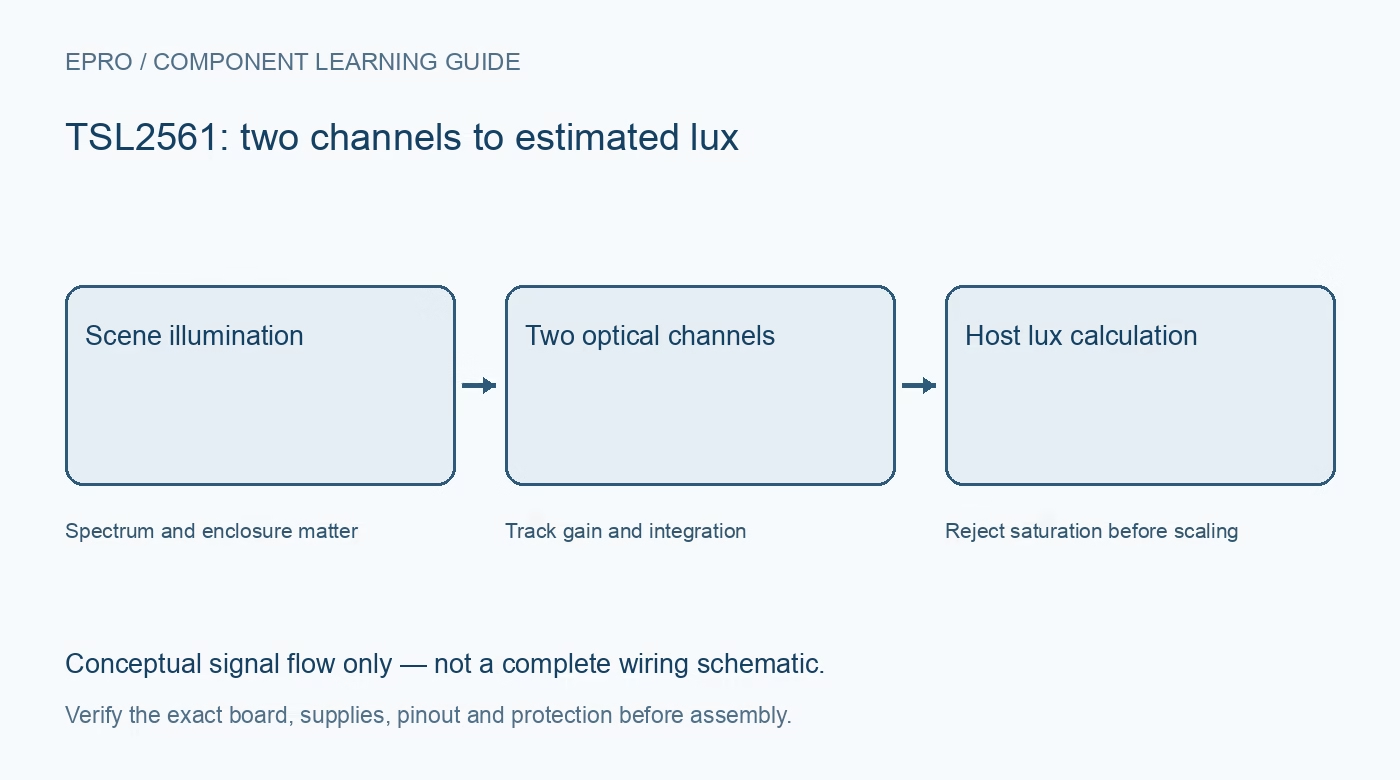
Bring up a TSL2561 Arduino sensor by reading both channels, tracking gain and integration, rejecting saturation and calculating lux with the correct configuration.
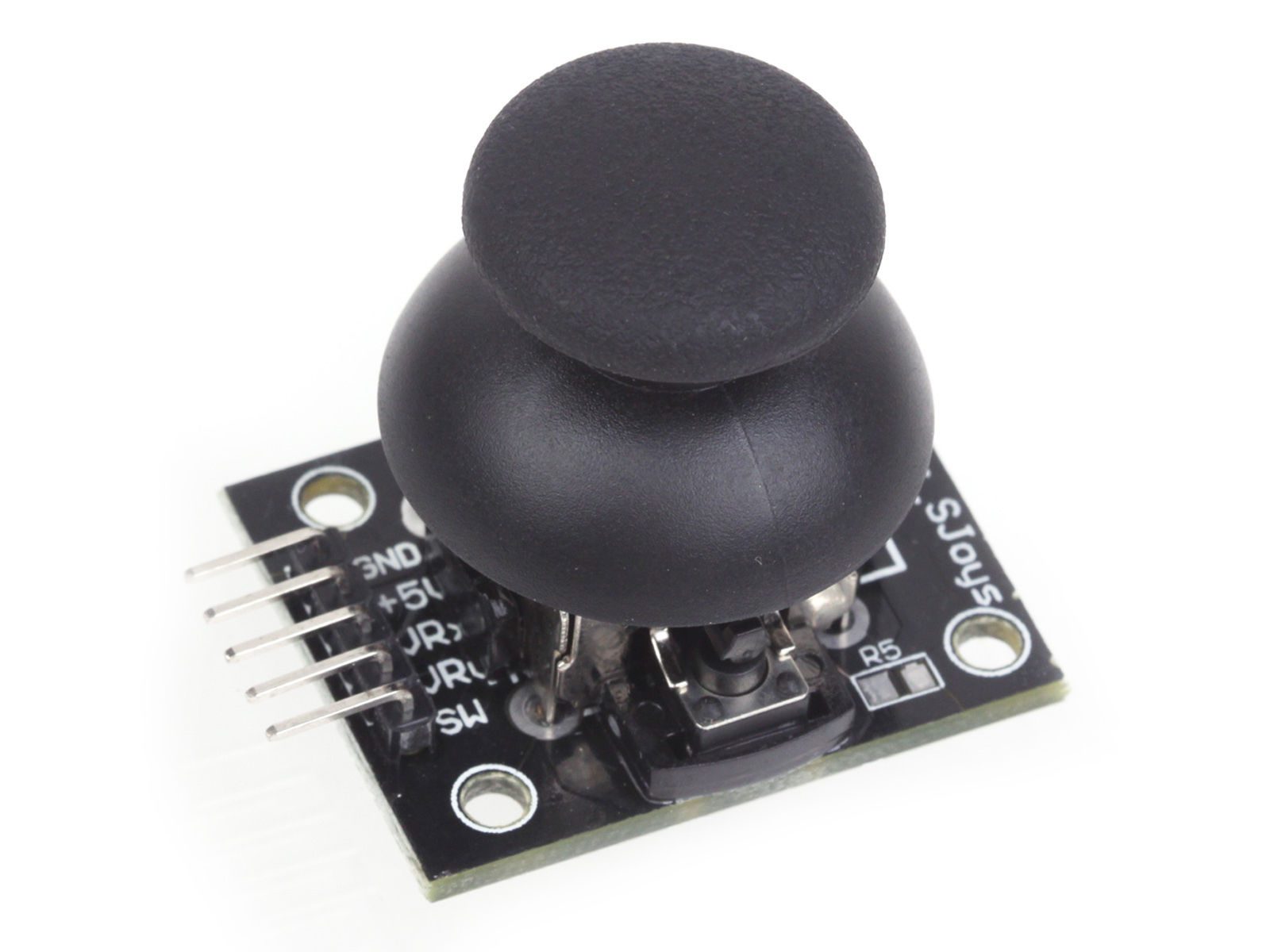
Choose a joystick module by analog outputs, button wiring, supply voltage and calibration needs, with an Epro KY-023 price snapshot and project limits.
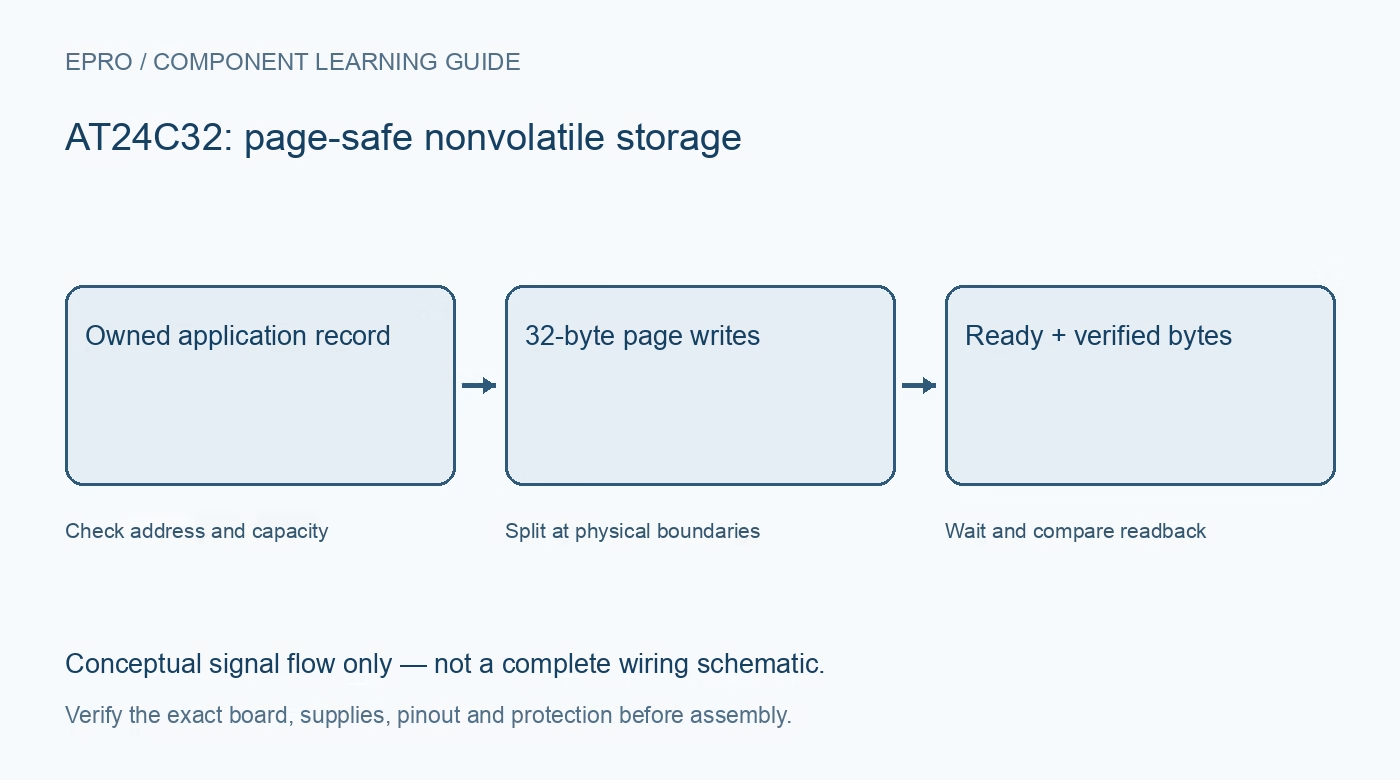
Choose an AT24C32 EEPROM by exact suffix, four-kilobyte capacity, page boundaries, write timing and protection rather than confusing RTC and memory functions.
Test LoRa SX1278 with Arduino by checking low-voltage SPI, reset and interrupts, matching radio parameters and measuring packet gaps under lawful settings.
Test MCP4725 output with measured VDD, a high-impedance meter and volatile DAC writes. Check ideal code scaling without overstating accuracy or wearing EEPROM.
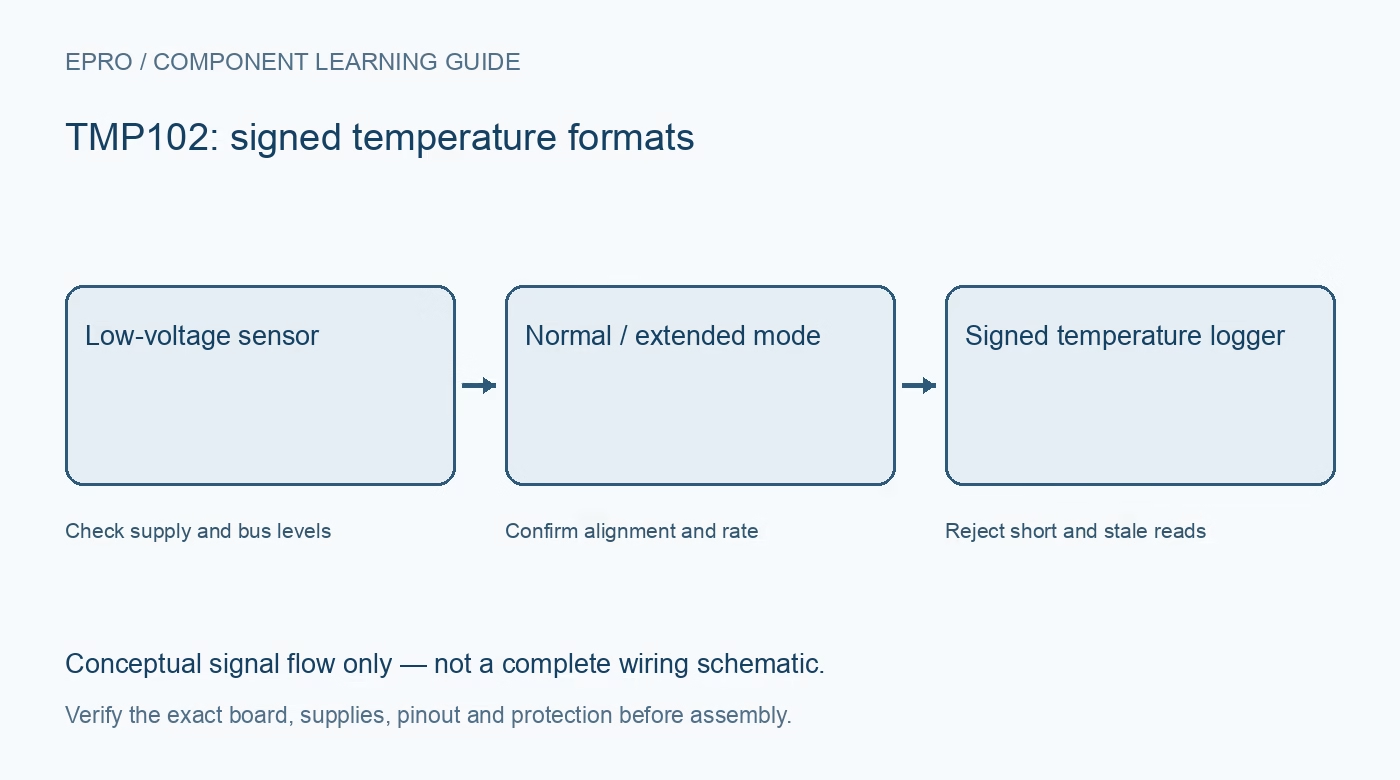
Choose a TMP102 temperature sensor by supply limits, guaranteed accuracy, normal or extended format, update rate and alert requirements, not output step alone.
Use a BC547 transistor as a switch with separate LED and base resistors, a defined off state and measured collector/load voltages before considering larger loads.