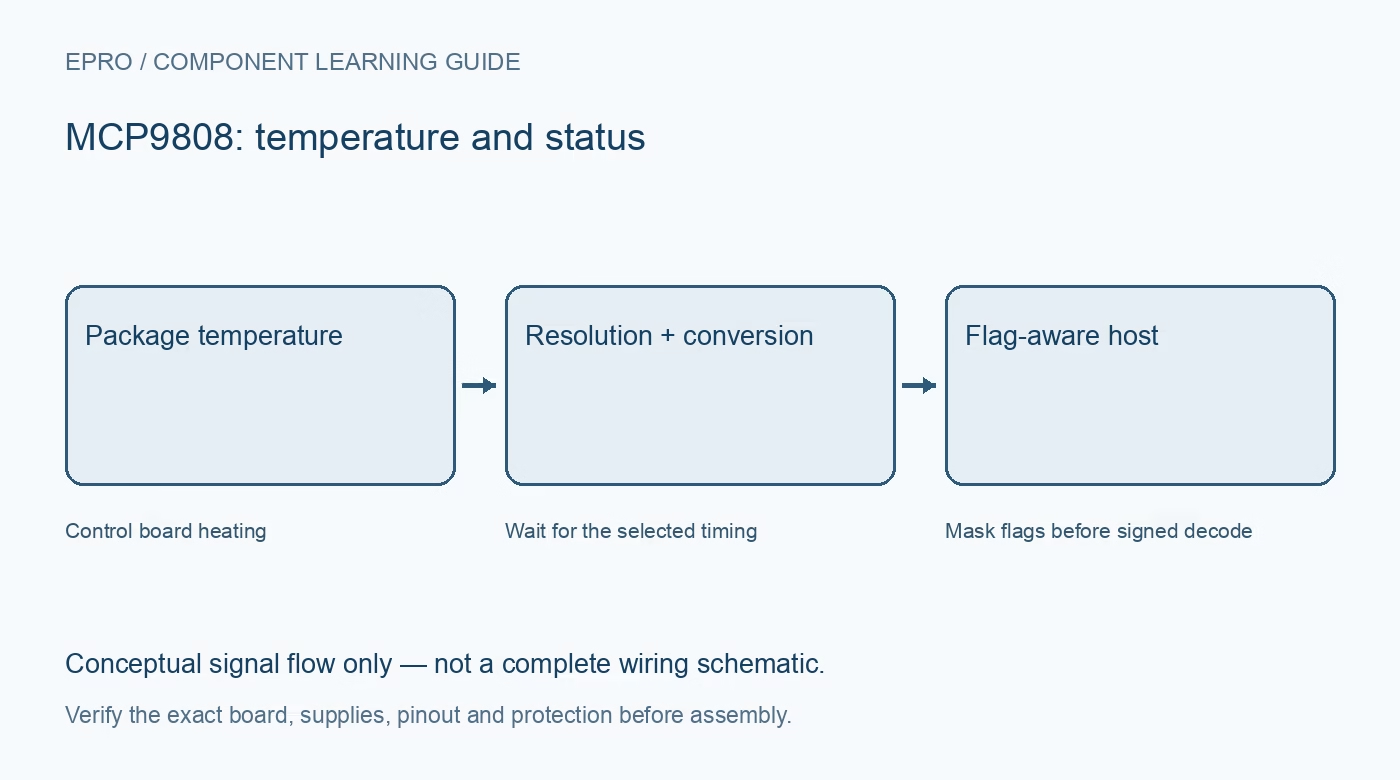
Bring up an MCP9808 Arduino logger with identity checks, explicit resolution, flag-aware signed decoding, conversion timing and clear stale-data handling.
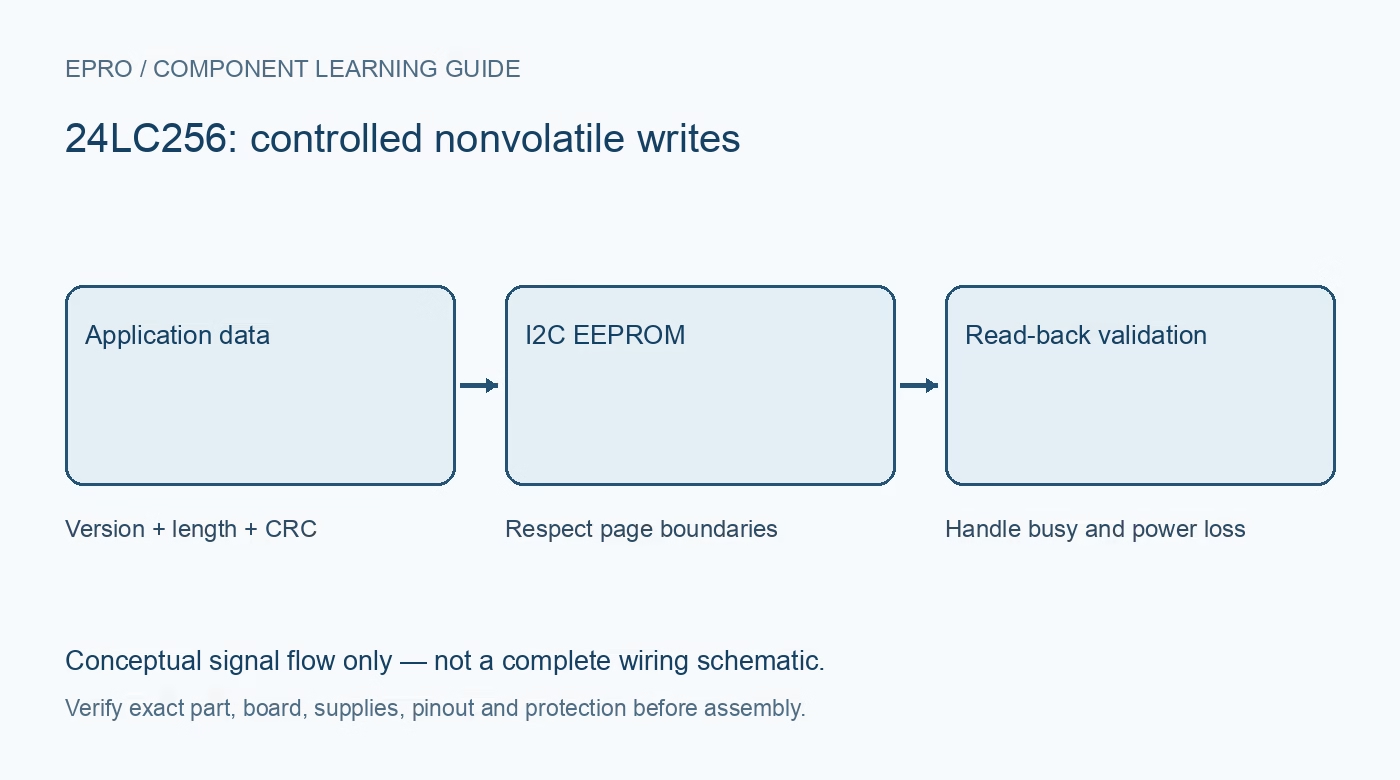
Test Arduino external EEPROM 24LC256 with a reserved record, correct two-byte addressing, page-aware writes, bounded completion handling and byte-for-byte read-back.
Try a ULN2803 circuit example with one resistor-limited LED, correct channel mapping and a separate understanding of emitter return and clamp-diode COM.
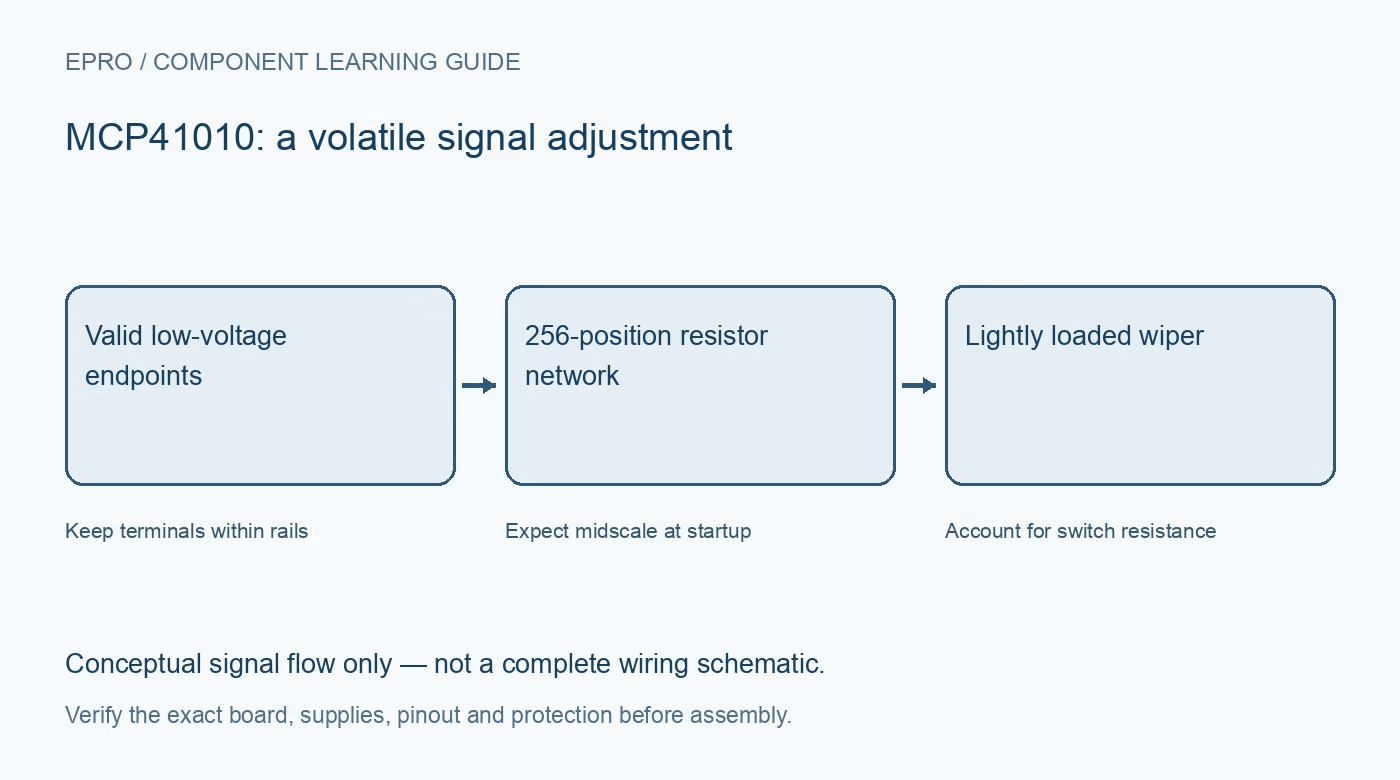
Choose an MCP41010 digital potentiometer by terminal limits, wiper loading, startup position and SPI control rather than assuming a mechanical-pot replacement.
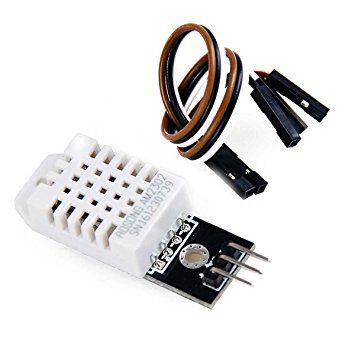
Connect DHT22 with Arduino by checking package labels, pull-up voltage, library model, two-second timing and invalid readings before adding displays or controls.
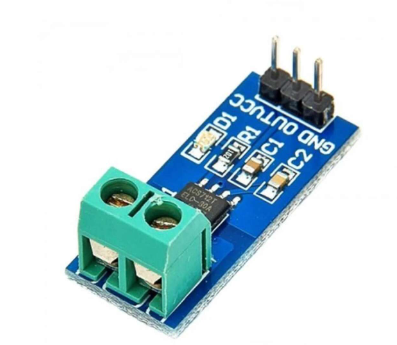
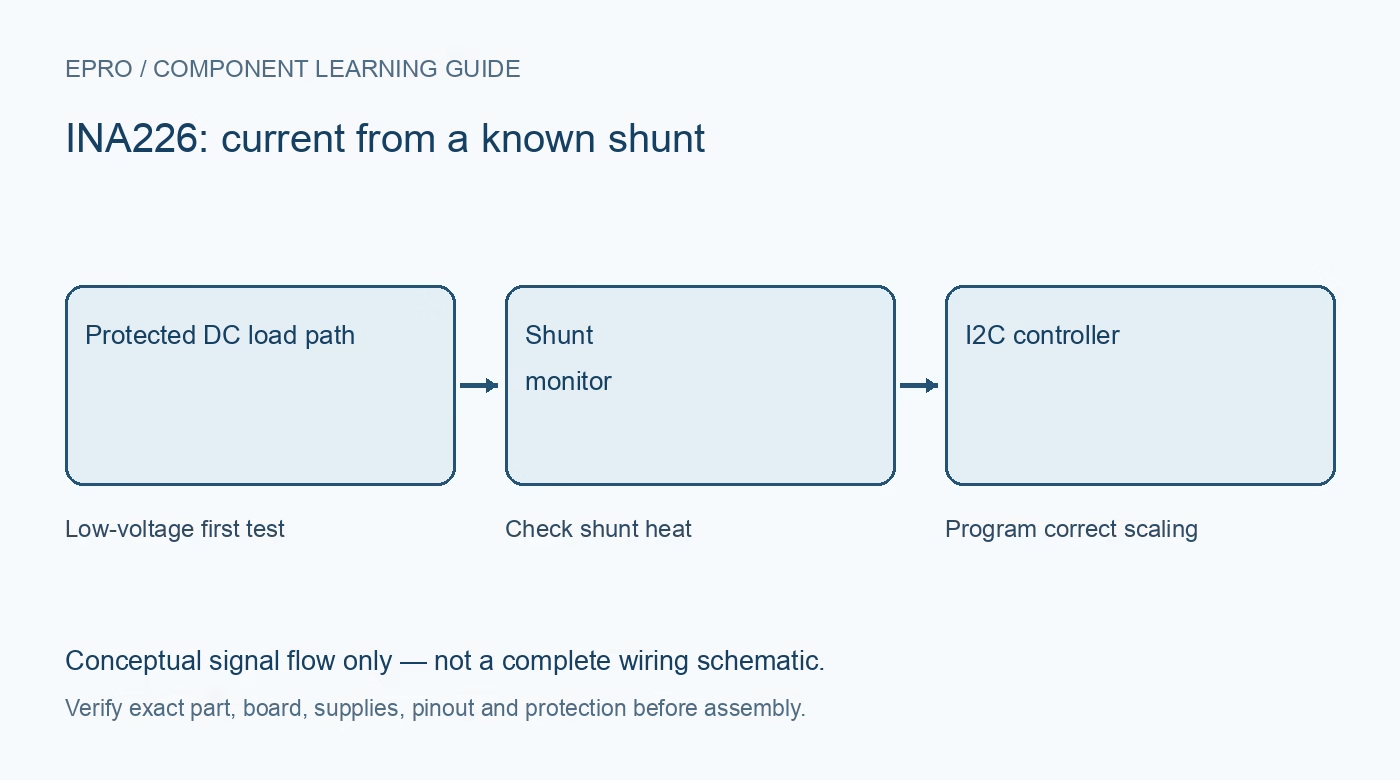
Read the INA226 datasheet by separating logic supply, measured bus and shunt limits, then choosing resistor power, calibration, averaging and safe low-voltage tests.
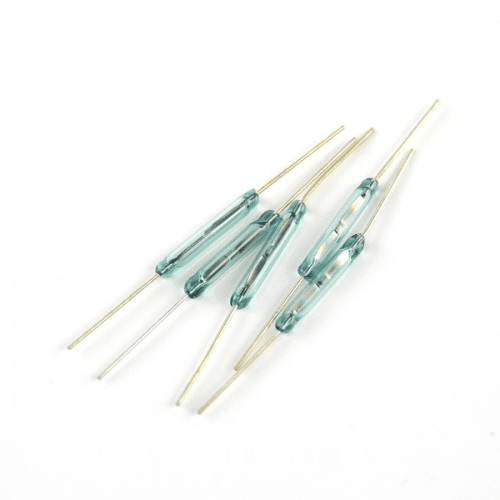
Build a reed switch Arduino input with verified normally open contacts, INPUT_PULLUP wiring and nonblocking debounce code for a slow magnet demonstration.
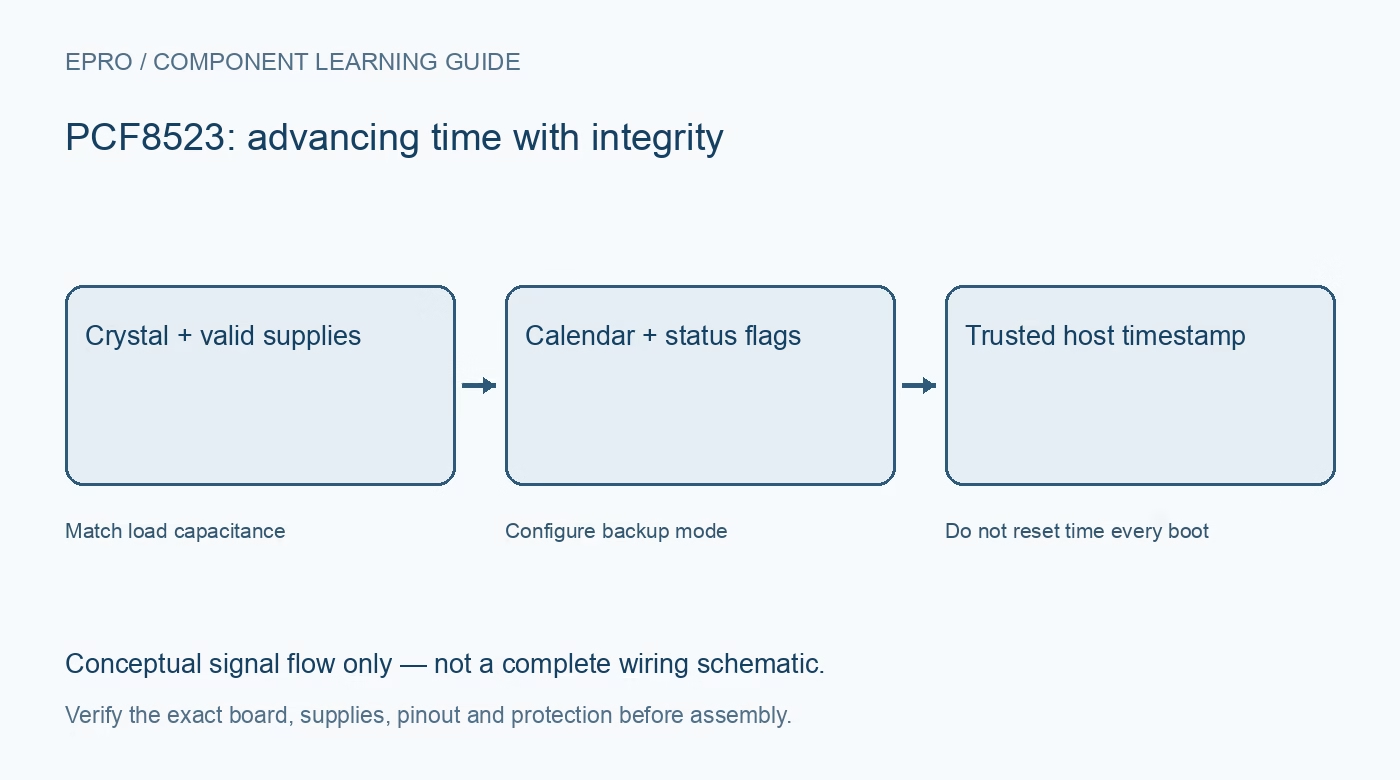
Integrate a PCF8523 with Arduino using status-aware initialization, correct calendar decoding, explicit backup configuration and repeatable power-cycle checks.