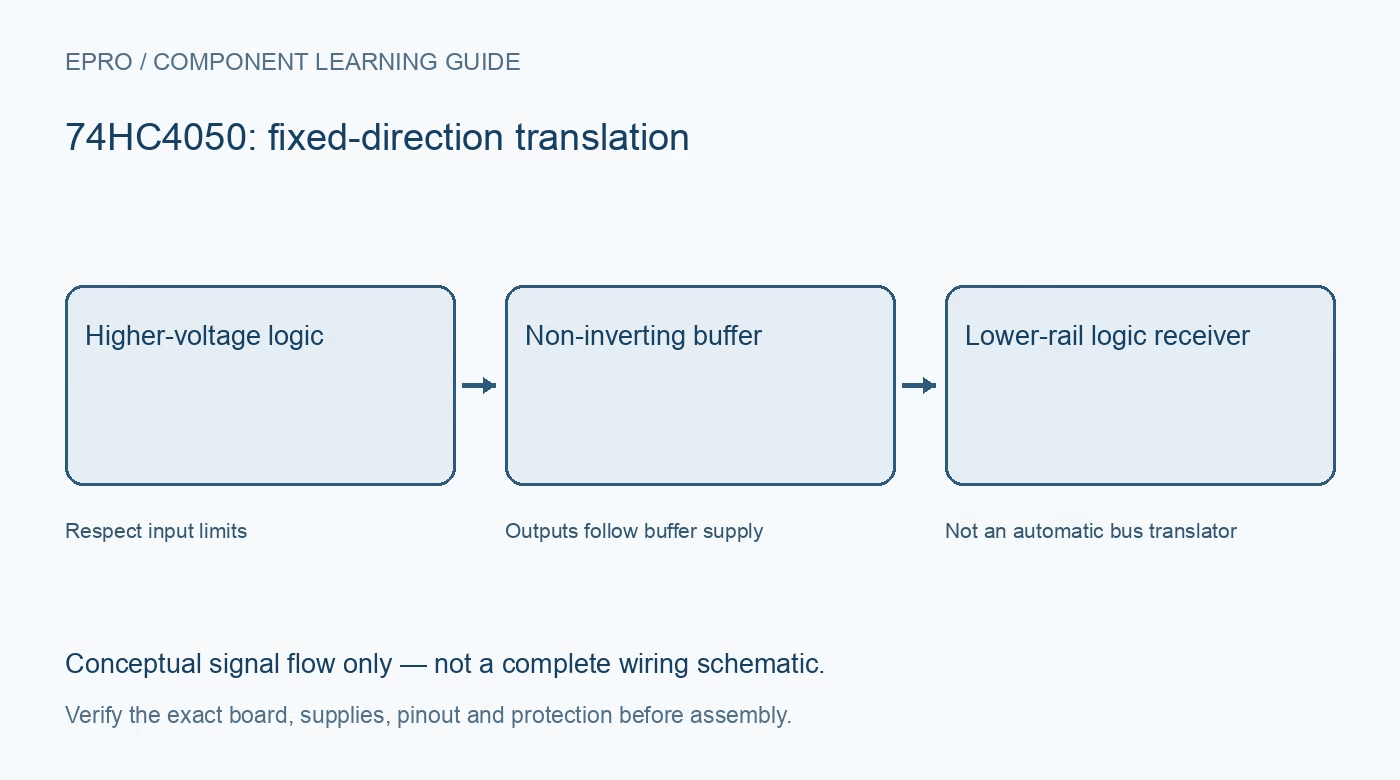
Test a 74HC4050 Arduino interface with a defined lower output rail, correct input direction, non-inverting logic, safe loads and verified timing requirements.
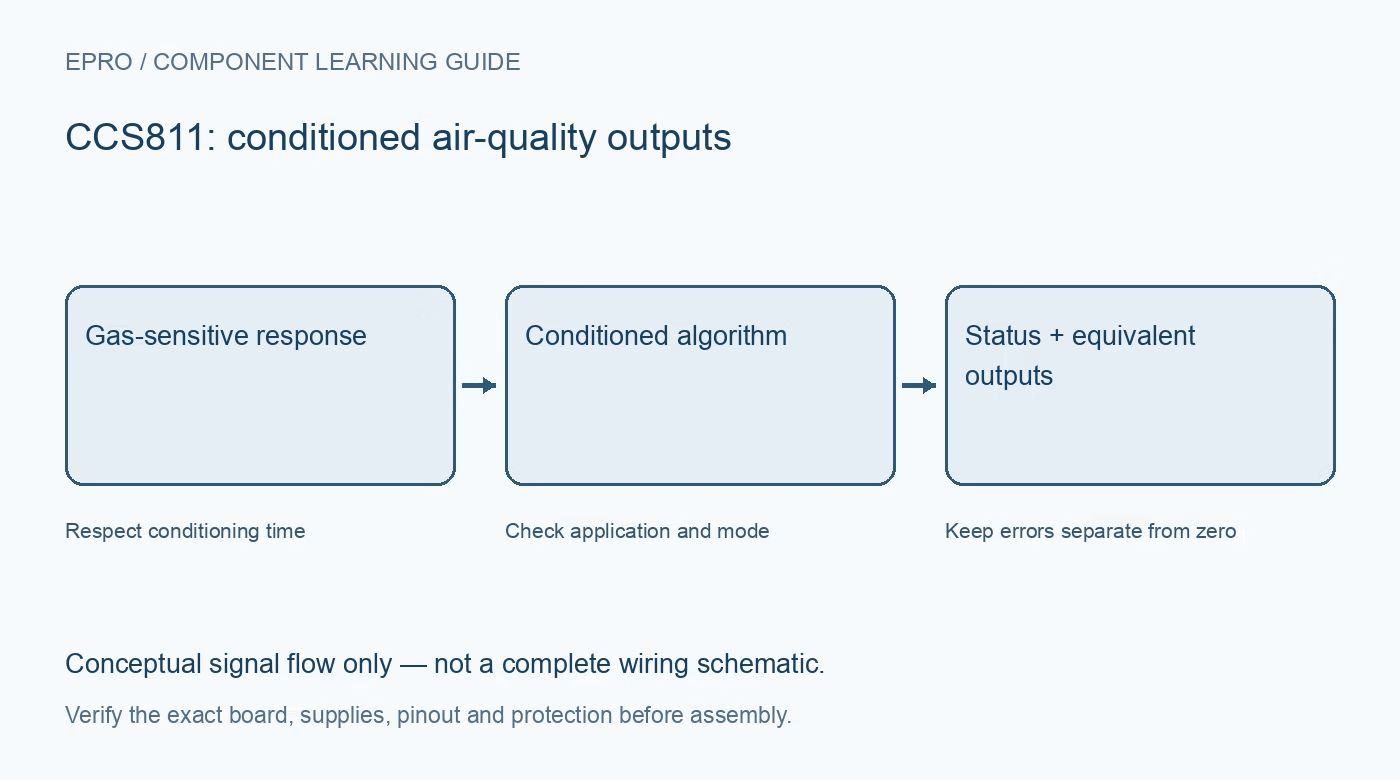
Choose a CCS811 module by equivalent-CO2 limitations, conditioning time, measurement mode, wake wiring and baseline management rather than a ppm label alone.
Try 2N2222 as a switch with a low-current LED, explicit resistor assumptions and measured checks. Verify the package first and do not extrapolate to motors.
Choose a PC817 optocoupler by pinout, input resistor, minimum CTR, output load and switching needs. Understand the difference between a part rating and system isolation.
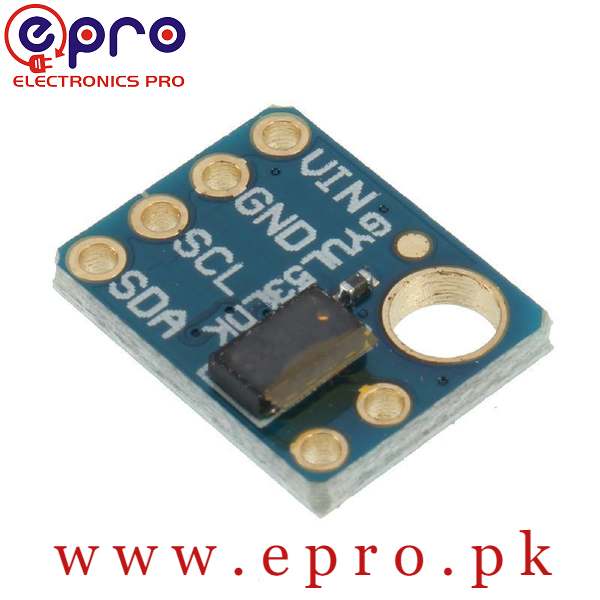
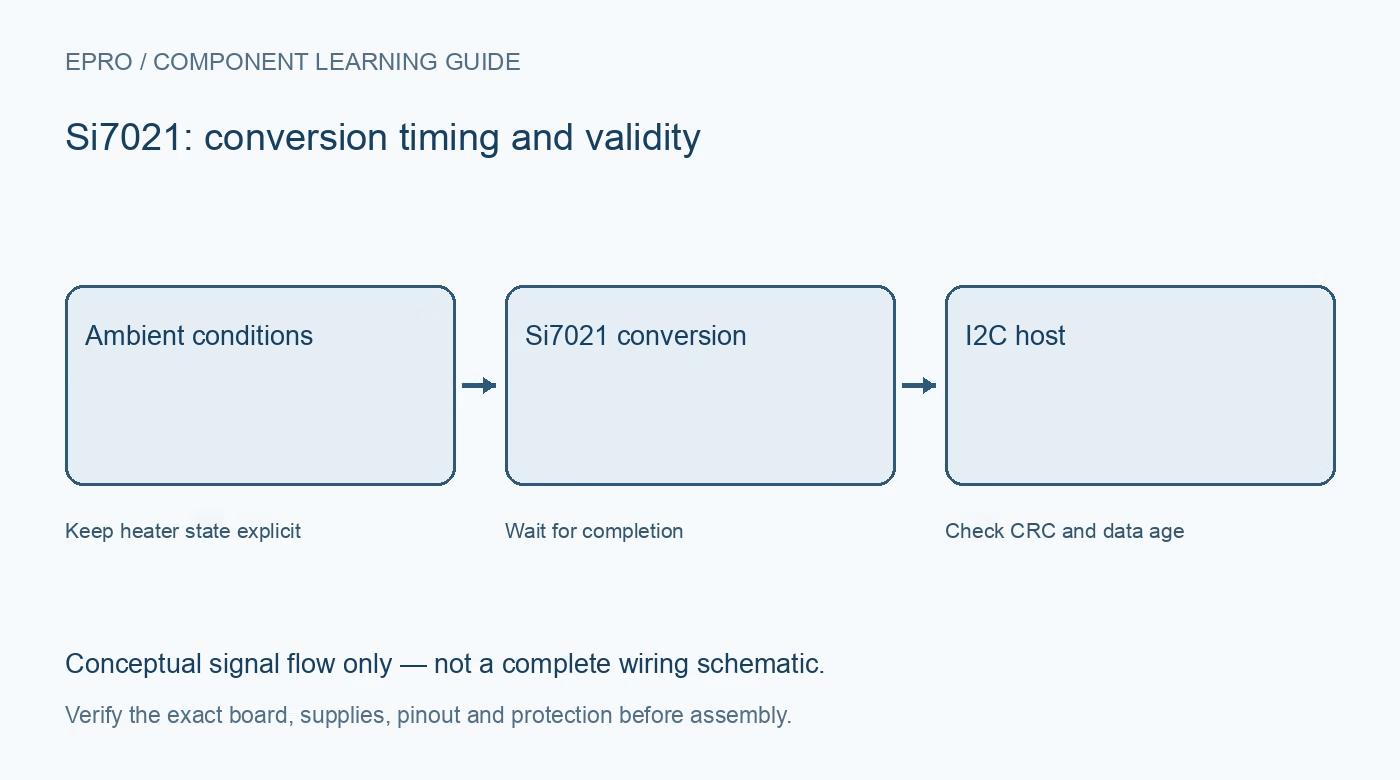
Bring up a Si7021 Arduino sensor with compatible bus levels, address checks, timed no-hold measurements, the correct CRC initialization and stale-data reporting.
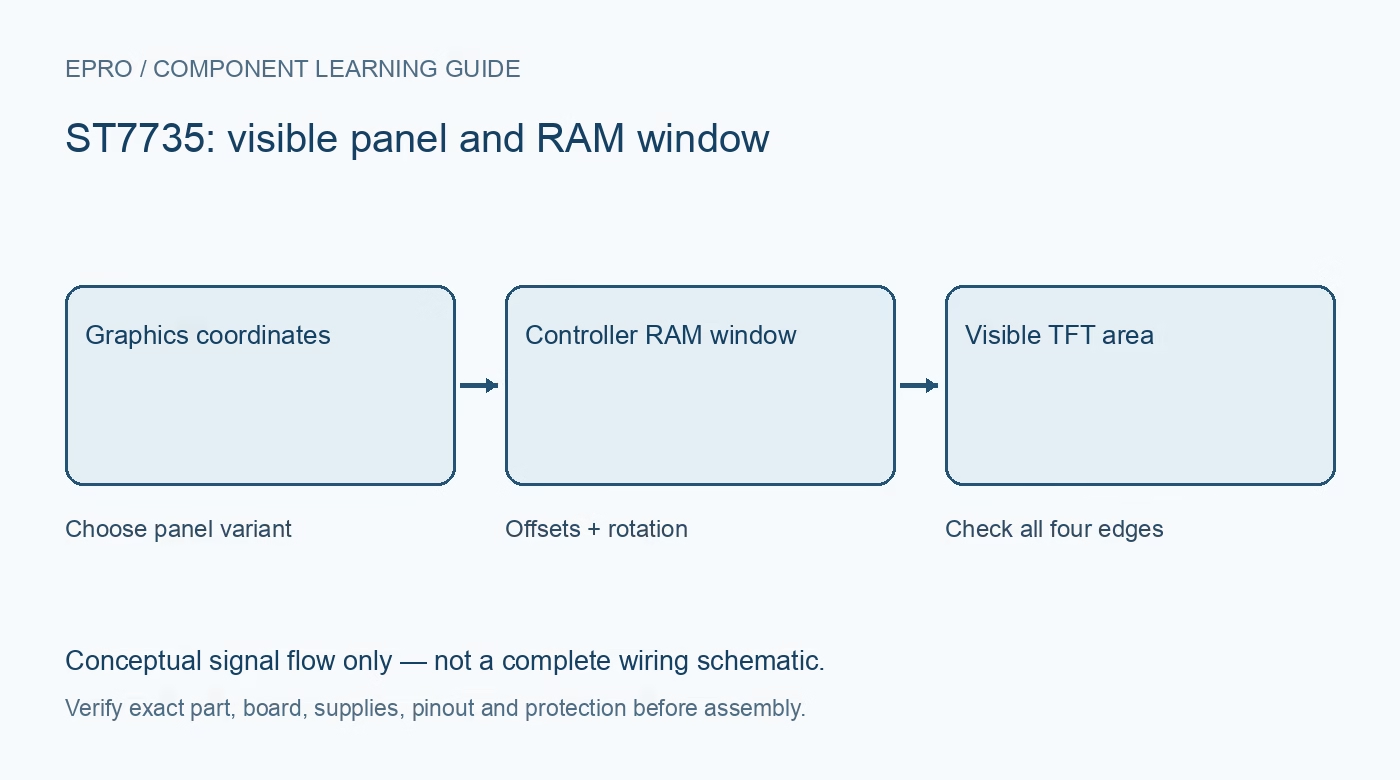
Test ST7735 with Arduino using the correct panel profile, one-pixel borders, corner markers, rotations and solid colours to separate offsets from SPI faults.
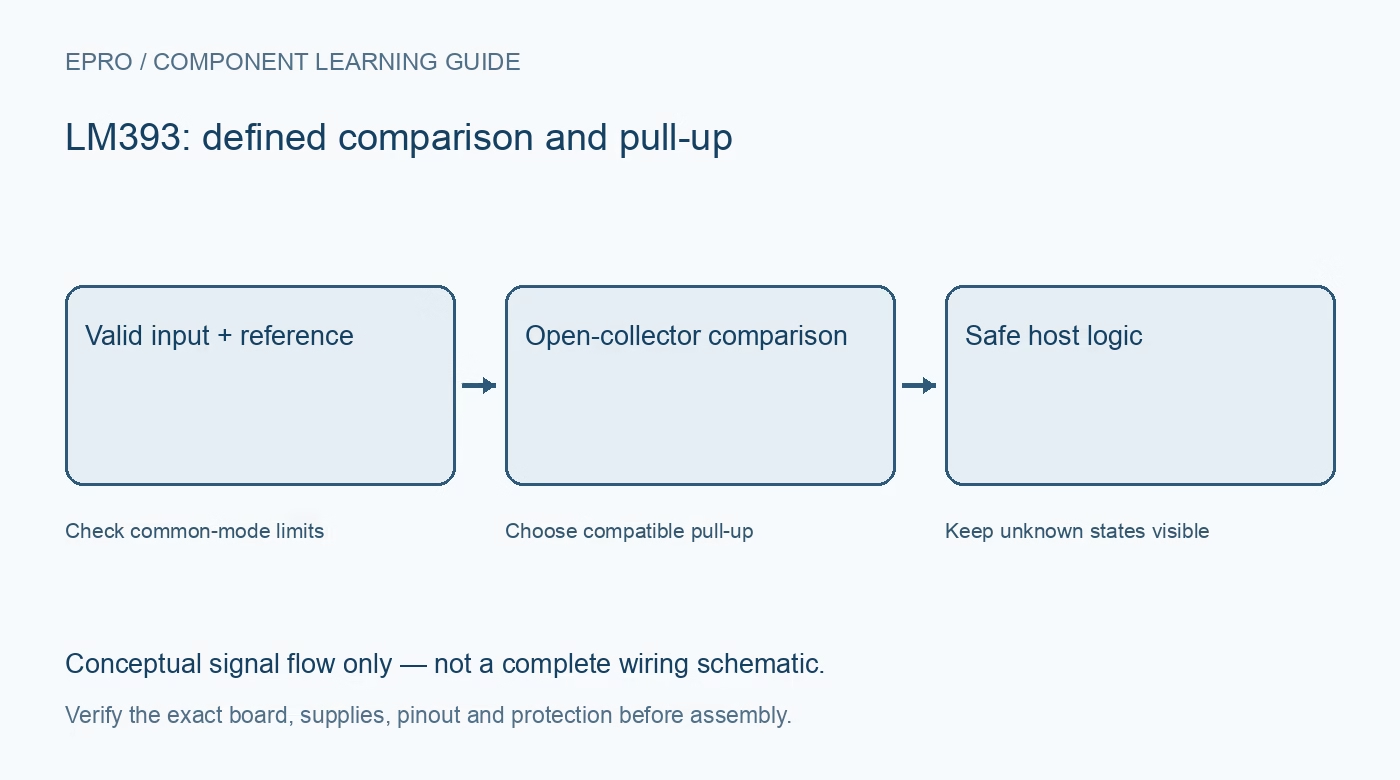
Test an LM393 Arduino threshold input with safe pull-up voltage, valid analog headroom, known reference, verified polarity and separate error and chatter checks.
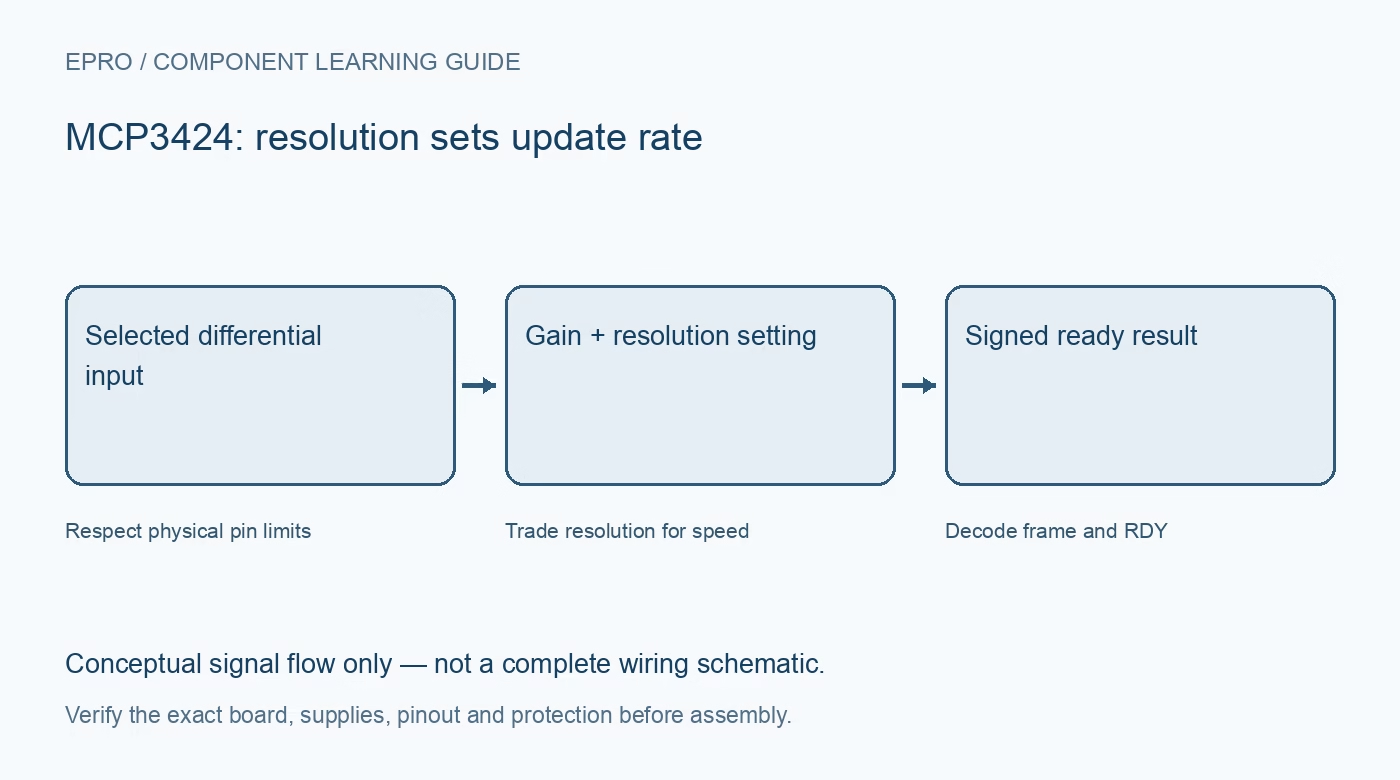
Choose an MCP3424 ADC by resolution-dependent rate, differential input limits, gain, address configuration and reference rather than assuming simultaneous sampling.